
Home - articles
available 24/7Falls In Nursing Homes: When An Accident May Not Be An Accident
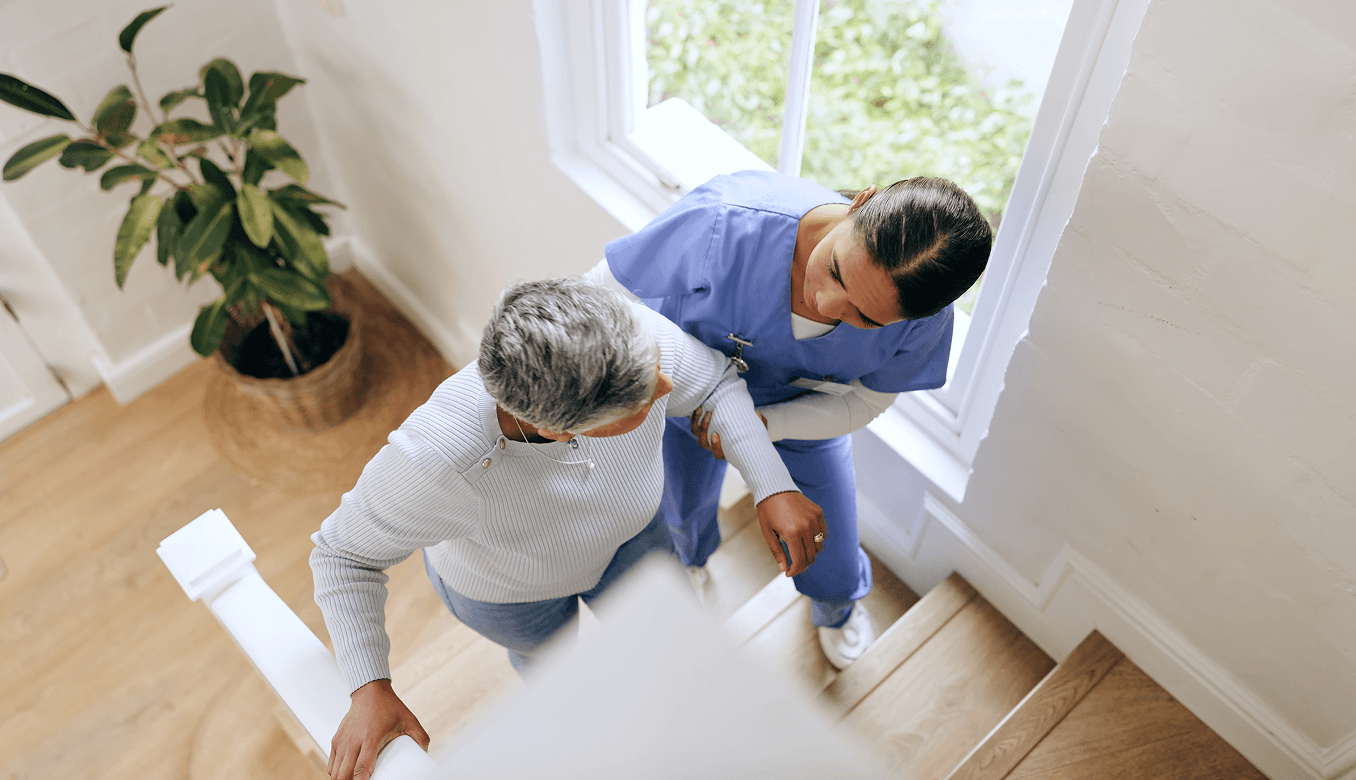
A fall can change an elderly person's life in an instant. What may seem like a simple accident can lead to broken bones, head injuries, and a steep, often irreversible decline — and many facility falls are the predictable result of risks that were never addressed.

Let's Talk
Speak With Our Team
You deserve answersA Fall Can Change Everything — And It's Rarely Just Bad Luck
A fall can change an elderly person's life in an instant. What may seem like a simple accident can lead to broken bones, head injuries, and a steep, often irreversible decline.
At Justice 4 Elders, we investigate every fall as what it usually is: the predictable result of a risk the facility knew about and failed to address.
What Causes Falls in Nursing Homes?
Falls happen when a resident loses balance or stability while walking, transferring, or standing, often due to a combination of medical, environmental, and care-related factors.
Common causes include:
- Unanswered call lights
- Disabled or missing bed and chair alarms
- Outdated or incomplete fall-risk assessments
- Improper footwear or mobility aids
- Wet or cluttered floors
- Side effects from new or adjusted medications
- Inadequate supervision during transfers
A single fall is rarely the whole story — it's frequently the first visible sign of a pattern that continues until someone outside the facility insists on answers.
Why Falls Happen in Long-Term Care
Falls are common in long-term care, but common doesn't mean unavoidable. Contributing factors typically include:
Chronic Understaffing
When staff are stretched thin, residents at risk of falling may go unsupervised during the exact moments they need help most.
Outdated Care Plans
A resident's fall risk can change quickly after a new diagnosis, medication, or decline in mobility. Facilities are required to update care plans accordingly, and often don't.
Ignored Alarms and Call Lights
Bed and chair alarms exist specifically to alert staff before a fall happens. When they're disabled or ignored, that warning system fails.
Environmental Hazards
Wet floors, poor lighting, and cluttered hallways are entirely within a facility's control to prevent.
Studies estimate that 50 to 60 percent of long-term care residents fall each year, and residents in facilities are more likely to be seriously injured when they fall than older adults living independently. Reviewing the full chart, not just the facility's own incident report, is usually the only way to find out what actually went wrong.
Sources
CDC, Older Adult Falls Data — https://www.cdc.gov/falls/data-research/index.html
McKnight's Long-Term Care News, "New CDC data: Older adults face rising fall death rates" — https://www.mcknights.com/news/new-cdc-data-older-adults-face-rising-fall-death-rates/
You Deserve Answers.
Talk With Our Team
We’re Always Available
We return every call within 24 hours.
Help Comes Directly
We come to you if travel is difficult.
Clear Process Updates
Plain-language updates throughout the process.
Dedicated Support
One dedicated attorney who knows your family's name.
What Happens When You Contact Us
We Listen
Tell us what happened.
We Review
Our team reviews the details.
We Explain Your Options
Get a clear, pressure-free next step.
- Free consultation
- Confidential
- Available 24/7
- No fee unless we win
Tell Us What Happened
Every Step, Every Hour, Every Step of the Way When You Need Us, We're Here.